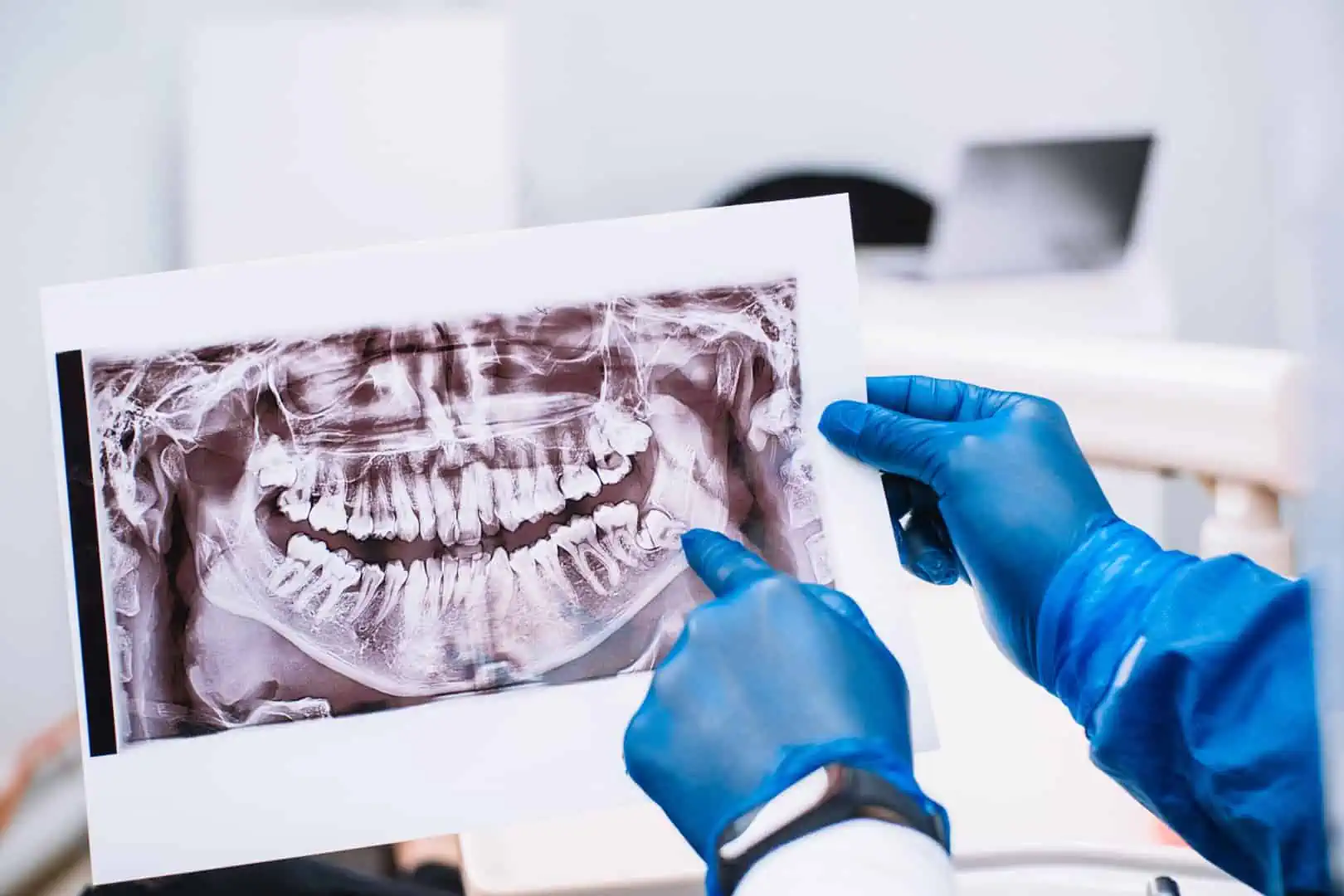
Why Wisdom Teeth Often Need to Come Out
Wisdom teeth are the last molars to arrive, usually in your late teens or early twenties. Because they come in so late, there is often not enough room for them to grow in the right position. When that happens, problems follow.
Signs Your Wisdom Teeth May Be a Problem
Pay attention if you notice any of these:
Pain or pressure at the very back of your mouth
Swollen, red, or bleeding gums around your last molars
Jaw stiffness or difficulty opening your mouth fully
A bad taste or smell near the back teeth
Crowding or shifting of your other teeth
Any one of these is worth a conversation with us. A quick exam and some imaging can tell us whether your wisdom teeth are the cause.
What Happens If You Wait, Risks of Delayed Removal
Leaving a problem wisdom tooth in place tends to make things worse over time. A partially erupted tooth creates an opening in the gum that is hard to clean, which invites infection. Impacted teeth (ones that are stuck below the gumline or growing at an angle) can press against neighboring teeth and cause damage that is more involved to repair. Cysts can also form around impacted teeth and affect the surrounding bone. Early removal, when the roots are not yet fully formed, is generally associated with a smoother recovery.