01
What Dental Bonding Can Fix for You
Bonding uses a tooth-colored composite material applied directly to the tooth surface, shaped by hand, then hardened with a curing light. The result blends in with your natural teeth and holds up well with everyday care. It is one of the most versatile tools in cosmetic dentistry because it addresses several common concerns without requiring multiple visits or complex prep work.
Bonding is a strong fit for:
Chipped or broken front teeth
Small cracks that affect the look of your smile
Minor gaps between teeth
Teeth that appear shorter than their neighbors
Surface staining that does not respond to whitening
If you have one or two specific spots that bother you, bonding is often the most direct path to fixing them.
02
Is Dental Bonding Right for Your Smile?
Bonding works best when the concern is limited in scope. A small chip on a front tooth, a single discolored spot, or a narrow gap between two teeth are ideal candidates. The procedure preserves most of your natural tooth, which makes it a low-commitment starting point for patients who want a cosmetic improvement without a bigger commitment.
For patients with more extensive goals, such as reshaping several teeth or addressing deeper discoloration across the whole smile, Dr. Horning or Dr. Fazli may talk through options like porcelain veneers or a broader smile makeover during your visit. Either way, you leave knowing exactly what your options are.
03
What to Expect at Your Bonding Appointment in Norman
The process is straightforward from start to finish. Here is what a typical bonding visit looks like:
Prep: Dr. Horning or Dr. Fazli lightly conditions the tooth surface so the material bonds securely. In most cases, no drilling and no anesthesia are needed.
Application: The composite material is applied, then shaped and sculpted to match the contour of your natural tooth.
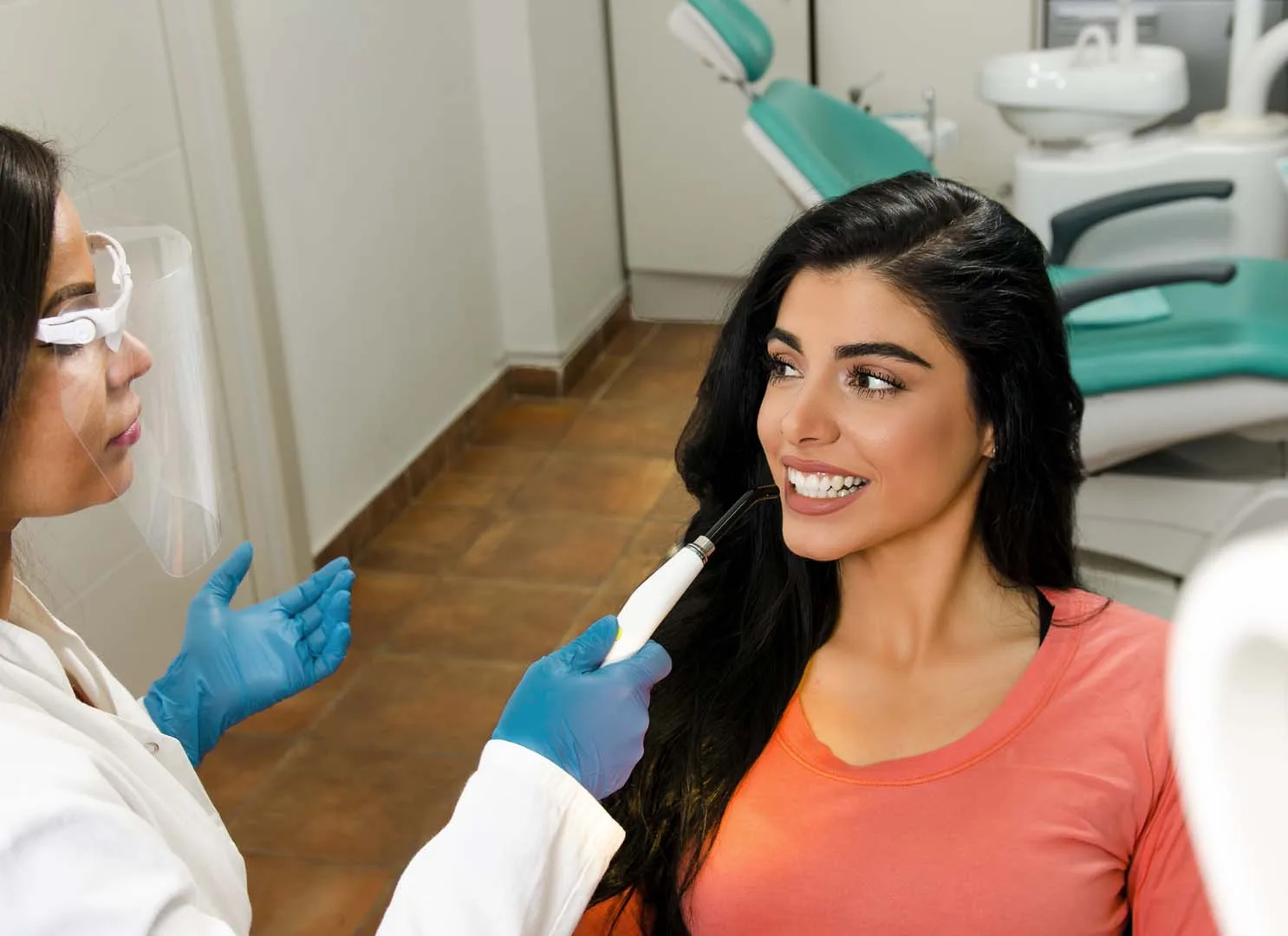
Hardening: A curing light sets the material in place within seconds.
Polish: The bonded area is smoothed and polished so it reflects light the same way your surrounding teeth do.
Most appointments wrap up in under an hour. You walk in with the chip or gap, and you leave with it gone.
04
How Long Does Dental Bonding Last?
With good daily habits, bonded teeth often hold up well for several years. The material is durable enough for normal biting and chewing, though it is not quite as hard as natural enamel. Avoiding habits like chewing ice, biting fingernails, or using your teeth to open packaging helps extend the life of the bond considerably.
Keeping up with your regular cleanings also matters. During those visits, Dr. Horning or Dr. Fazli can check the bonded area and catch any wear early before it becomes a bigger issue.
05
What Happens If You Skip Treatment?
A small chip might feel minor, but the exposed edge can continue to break down over time. What starts as a cosmetic concern can eventually expose the softer layer beneath the enamel, making the tooth more sensitive and more vulnerable to decay. Taking care of it early with bonding is almost always simpler and less involved than addressing the same tooth after it has deteriorated further.
If surface staining is part of the picture alongside a chip or crack, pairing bonding with professional teeth whitening first can give Dr. Horning or Dr. Fazli the right shade to match the new bonding material to your brightened smile.
06
Frequently Asked Questions About Dental Bonding
Does dental bonding hurt?
Most patients find bonding very comfortable. Because the procedure typically does not require removal of much tooth structure, anesthesia is often not needed. Dr. Horning or Dr. Fazli will let you know what to expect at your specific appointment.
How much does dental bonding cost in Norman, OK?
Cost varies depending on how many teeth are treated and the extent of the repair. Varsity Dental accepts Delta Dental, Aetna, and several other insurance plans, which may cover a portion of the cost. See our Insurance and Financing page or call us for details specific to your plan.
Can bonding fix a gap between my front teeth?
Yes. Bonding is a common option for closing small gaps between teeth. It works best when the gap is minor. For larger spacing concerns, Dr. Horning or Dr. Fazli may discuss other options with you during your consultation.
How do I care for bonded teeth?
Brush and floss as you normally would. Avoid biting down on hard objects like ice or pen caps, which can chip the bonded material. Cutting back on coffee, tea, and tobacco also helps keep the color looking its best over time.